
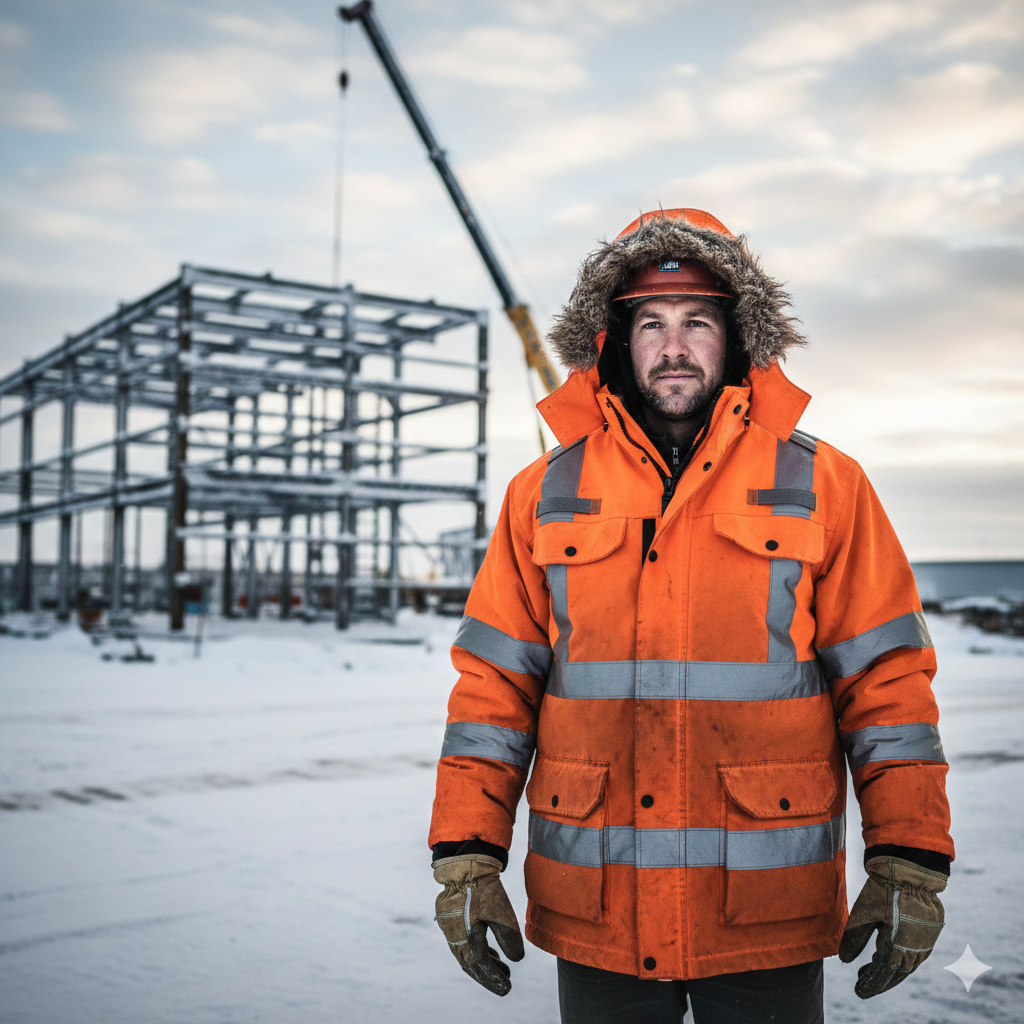
Imagine this: it's -30°C on a job site in Alberta, with a wind chill that makes it feel like -40°C. The simple act of picking up a tool becomes a test of endurance, and your safety depends on staying warm and dry. For construction professionals across Canada, from the icy coasts of Newfoundland to the prairie winters of Manitoba, a jacket is not just apparel—it's essential personal protective equipment (PPE).
Choosing the right winter work jacket is a critical decision that impacts your comfort, safety, and productivity. This guide will walk you through everything you need to know to select the best construction jacket for surviving and thriving during the Canadian winter.
Understanding the Canadian Winter Challenge
Why Construction Sites Demand Specialized Gear
Canadian winters are notoriously variable and severe. In northern regions and parts of central Canada, temperatures can plummet to -30°C, while coastal areas face damp cold coupled with strong winds. For construction workers, this isn't just about discomfort—it's a serious occupational hazard.
According to the Canadian Centre for Occupational Health and Safety (CCOHS), a cold environment challenges workers through three key factors: air temperature, wind speed, and humidity. When you're on a scaffold or operating machinery, these elements combine to create dangerous conditions that can lead to cold stress, frostbite, and hypothermia.
The Science of Cold Stress
Cold stress occurs when your body can no longer maintain its core temperature, which typically sits between 36°C and 37°C. On a construction site, this risk is heightened by factors like:
-
Wind Chill: Even moderately cold air feels much colder when wind speed increases. For example, at -25°C with a 30 km/h wind, exposed skin can freeze in under 10 minutes.
-
Physical Activity: Your work pace matters. Heavy activity makes you sweat, and if that moisture is trapped against your skin by poor-quality fabric, it can accelerate heat loss when you slow down.
-
Wetness: Whether from external snow or internal sweat, moisture is your enemy. It dramatically reduces your clothing's insulating properties.
The Anatomy of the Perfect Winter Construction Jacket
1. Insulation: The Heart of Warmth
The core purpose of your jacket is to trap body heat. You'll typically choose between two main types of insulation:
-
Down Insulation: Sourced from geese or ducks, down is exceptionally warm and lightweight, ideal for dry, frigid conditions. However, it loses almost all insulating power when wet.
-
Synthetic Insulation: Made from polyester fibers, synthetic insulation mimics down's warmth but has one critical advantage: it retains heat even when damp. This makes it the superior, more reliable choice for active construction work where you might sweat or encounter snow.
2. The Outer Shell: Your First Line of Defense
The shell fabric protects you from the elements. For construction work, look for:
-
Waterproof and Windproof Membranes: Technologies like Gore-Tex offer complete protection while allowing sweat vapor to escape, keeping you dry from both the outside and inside.
-
Durable Fabric: Look for high-denier polyester or nylon with reinforced panels at the shoulders and elbows to withstand the abrasion of a worksite.
-
Safety Compliance: For many job sites, your outer shell must also be high-visibility. Ensure any hi-vis jacket meets the CSA Z96-15 standard for high-visibility safety apparel. You can learn more about these requirements in our guide to CSA Z96 compliance for hi-vis workwear.
3. Smart Design & Functional Features
The devil is in the details. A great work jacket includes features tailored for the job:
-
Adjustable Cuffs and Hem: To seal out wind and snow.
-
Storm-Flap Covered Zippers: Prevent cold air from sneaking in.
-
Multiple Accessible Pockets: For tools, phones, and warmers—with secure closures.
-
Articulated Sleeves and Gussets: Allow for a full range of motion without letting cold air in.
-
Attached, Insulated Hood: With adjustable drawstrings for a secure fit over a hard hat.
The Non-Negotiables: Safety, Fit, and Layering
Prioritizing Safety and Visibility
On a busy, low-light winter worksite, being seen is non-negotiable. Your winter jacket should incorporate CSA-certified high-visibility stripes in fluorescent orange, red, or yellow. These materials are designed to remain highly visible in both daylight and under vehicle headlights at night. Remember, safety is a system—your jacket works alongside other PPE.
Mastering the Layering System
Your jacket is just one part of a winning strategy. To stay warm and dry, you must layer effectively:
-
Base Layer (Moisture Management): This layer sits against your skin. Avoid cotton at all costs, as it holds moisture and will make you cold. Choose moisture-wicking materials like merino wool or polyester.
-
Mid Layer (Insulation): This is your primary warmth layer. A fleece jacket or wool sweater provides excellent, breathable insulation that you can adjust based on your activity level.
-
Outer Layer (Protection): This is your winter construction jacket. It must shield you from wind, rain, and snow while being durable enough for the job.
Ensuring the Right Fit
A jacket that's too tight restricts movement and compresses insulation, making it less effective. A jacket that's too big lets in drafts. The ideal fit allows for comfortable layering underneath without excessive bulk, enabling full range of motion for tasks like lifting, hammering, or operating equipment.
Making the Investment: Your Jacket as a Tool
Choosing a jacket is an investment in your well-being and professionalism. A high-quality, durable jacket from a trusted supplier like YourKit Pro may have a higher upfront cost but pays for itself in longevity, performance, and most importantly, safety.
Beyond jackets, equipping your entire team with branded, weather-appropriate gear projects a unified, professional image. Explore our guides on custom construction company shirts in Canada and custom construction shirts with a logo to see how a cohesive team kit boosts morale and brand visibility.
When you're ready to choose, browse our curated selection of high-performance winter workwear on the YourKit Pro products . For larger team orders and custom branding solutions, visit our ecommerce portal to get a quote.
Frequently Asked Questions (FAQs)
What temperature rating should I look for in a Canadian winter work jacket?
Look for jackets rated for at least -25°C to -30°C. Remember, the stated "comfort rating" often assumes you are wearing proper base and mid-layers underneath. Always consider the wind chill, which can make the effective temperature much lower.
Is down or synthetic insulation better for construction work?
For most construction applications, synthetic insulation is the better choice. While down is warmer for its weight, synthetic insulation maintains its heat-trapping ability when wet from snow or sweat, which is a common occurrence on active job sites.
How do I care for my winter work jacket to make it last?
Always follow the manufacturer's label. Generally, use a technical detergent (no fabric softener) on a gentle cycle, and tumble dry on low to reactivate the durable water repellent (DWR) coating on the outer shell. Proper care restores the jacket's breathability and weather resistance.
Can I add my company logo to a winter safety jacket?
Absolutely. At YourKit Pro, we specialize in adding professional, durable logos to high-visibility and insulated workwear. This promotes team unity and brand awareness on every site. It's a simple process through our custom order system.
Are there regulatory standards for winter workwear in Canada?
While there are no specific "winter" standards, employers have a general duty to protect workers from cold stress under occupational health and safety laws. Jackets used for safety purposes (like high-visibility models) must comply with the CSA Z96 standard. Using certified gear is a key part of a compliant cold stress management plan.
Conclusion
Selecting the best construction jacket for a Canadian winter is a serious decision that blends personal comfort with professional safety. By understanding the harsh realities of cold stress, prioritizing waterproof and windproof protection with synthetic insulation, and mastering the art of layering, you can equip yourself to face the season with confidence.
Your jacket is your mobile shelter against the elements. Don't just buy a coat—invest in a reliable piece of safety equipment. Explore our range of CSA-compliant, high-performance winter jackets today, and ensure your toughest opponent this winter is the project deadline, not the weather.
